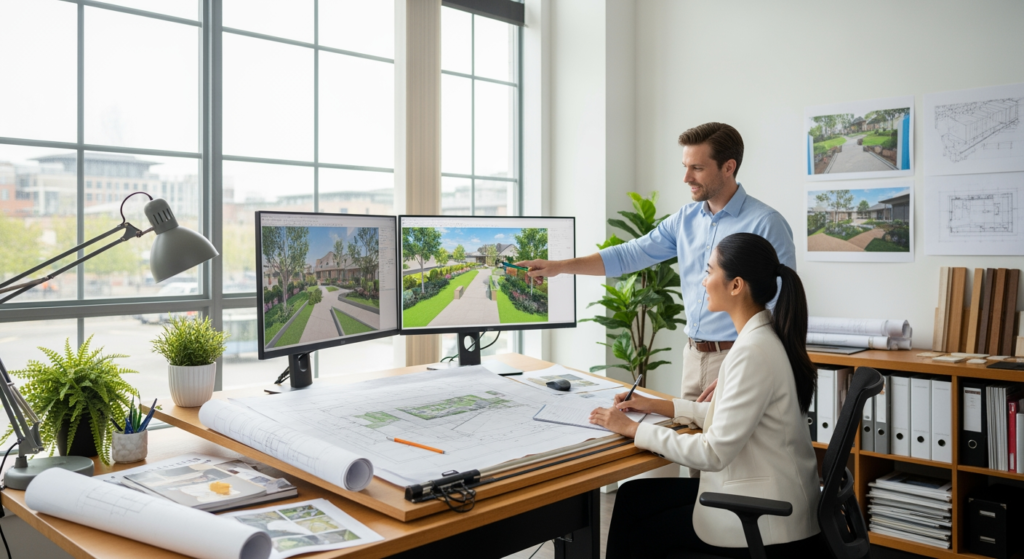
NJ commercial landscaping companies are more than lawn crews and seasonal plantings—they’re partners that protect property value, reduce operating costs, and shape how people experience a place. I’ve seen how smart landscape design and maintenance can change a business campus, municipal property, or retail center, and I’ll walk you through what to expect, what’s trending, and how to choose the right local team. For environmental and public-health guidance on stormwater and urban green infrastructure, the EPA has practical resources that many successful projects follow.
Why commercial landscaping matters in New Jersey
New Jersey’s built environment puts pressure on green space—heavy urbanization in parts of the state, seasonal storms, and shifting temperatures all affect plant health and stormwater handling. Good commercial landscaping does three practical things: it improves curb appeal, reduces long-term maintenance and operating costs, and addresses site-specific problems like drainage or heat retention. When designers focus on durable, site-appropriate solutions, property managers get predictable results instead of constant repairs.
What modern commercial landscape designers offer
Landscape design for commercial properties today blends aesthetics with function. Top NJ teams combine hardscape expertise with softscape planning and systems thinking. Expect services that go beyond planting and mowing, such as:
- Site assessments and concept master plans that consider circulation, sightlines, and safety.
- Stormwater management solutions—rain gardens, bioswales, and permeable paving—that reduce runoff and comply with local regulations.
- Low-maintenance plantings and native species selections that lower irrigation and pest needs.
- Installation of irrigation systems with smart controls to conserve water and cut utility bills.
Trending topics reshaping commercial landscaping
Two trends I’m watching closely are sustainability-first design and technology integration. Property owners want landscapes that look great year-round but also demonstrate climate resilience and cost efficiency.
Sustainable and resilient landscapes
More organizations are asking for native plant palettes, pollinator-friendly habitats, and designs that reduce watering and chemical use. These features support biodiversity, lower maintenance budgets, and communicate environmental responsibility to tenants and customers.
Smart irrigation and tech-driven maintenance
Smart controllers, soil moisture sensors, and weather-aware irrigation are rapidly reducing water waste. On the operations side, digital work orders, aerial site surveys, and seasonal performance dashboards let facility managers track spending and verify work without constant site visits.
How to evaluate NJ commercial landscaping companies
Finding a reliable team comes down to capabilities, local experience, and clear communication. I use a simple checklist when I evaluate firms, and you can too.
- Portfolio of similar projects: Look for installations done in comparable climates and property types.
- Design and maintenance integration: Choose a provider that plans for maintenance from day one.
- Regulatory knowledge: The team should understand local stormwater and municipal requirements in New Jersey.
- Transparent pricing and service agreements: Fixed scopes or clear scopes of work minimize surprises.
Key services and how they solve common property problems
Here are common problems I see on commercial properties and the services that solve them.
Poor drainage and standing water
Solution: Bioswales, grading corrections, and permeable pavers move water away from structures and reduce long-term pavement damage. These are cost-effective compared with repairing foundation or asphalt damage repeatedly.
High irrigation costs and brown lawns
Solution: A mix of native plantings, drought-tolerant ground covers, and smart irrigation can cut water use dramatically. Proper soil preparation and mulching also improve moisture retention so plants survive dry spells without overwatering.
Uninviting entrances and worn-out planting beds
Solution: A design refresh with seasonal interest, long-blooming shrubs, and durable hardscape features restores curb appeal and improves first impressions for customers and tenants.
Step-by-step: How to commission a commercial landscape project
Working with a commercial landscaper should be predictable. Here’s a straightforward process to follow that keeps timelines, budgets, and expectations aligned.
- Initial site visit and problem assessment — verify utilities, drainage, and pedestrian flow.
- Concept design and budget estimate — review 2–3 design options with cost ranges.
- Final design and permitting — secure any necessary municipal approvals before work starts.
- Installation and maintenance handover — document warranties, maintenance schedules, and contact points.
Budgeting: what to expect for commercial landscape projects in New Jersey
Costs vary widely based on scale, material choices, and infrastructure needs. Softscape-only renewals like planting beds and mulch typically run lower than projects involving grading, irrigation, or hardscape elements like pavers and retaining walls. When deciding, prioritize items that reduce long-term operating costs: improved drainage, efficient irrigation controls, and durable materials that resist freeze-thaw cycles common in this region.
Maintenance programs that keep commercial sites looking sharp
Longevity comes from regular, documented maintenance. A good maintenance program reduces emergency repairs and preserves the original design intent. Look for scheduled services that include seasonal pruning, weed control tailored to the site, irrigation audits, and performance reporting so you can see the value delivered.
Questions to ask during a vendor interview
Before you sign any contract, ask direct questions that reveal a contractor’s process and reliability. Some questions that have helped me separate competent teams from the rest are:
- Can you provide references for projects like mine and allow site visits?
- How do you handle storm damage or warranty issues after installation?
- Do you offer performance or sustainability guarantees tied to water use or plant survival?
- What digital tools do you use for scheduling and communication?
Case examples of successful commercial landscape upgrades
I’ve seen a mid-size office park lower its irrigation costs by nearly half after switching to a smart irrigation system and converting standard turf to native meadow strips in non-essential areas. Another example involved a retail plaza that eliminated recurring flooding by adding a bioretention area and re-routing runoff—a solution that saved thousands in repeat paving repairs and tenant complaints. These projects share a common thread: they started with a site-specific assessment and a plan that balanced immediate needs with long-term maintenance.
Permits, compliance, and working with municipal departments
Local codes and stormwater rules in New Jersey can affect design choices and timelines. Experienced commercial landscape designers anticipate permitting needs—for example, when a design changes drainage patterns or adds impervious surface—and they coordinate with municipal engineers. Including permitting in the schedule reduces delays and unexpected costs.
Practical tips before you start a landscaping project
These are action items I recommend to keep projects on time and on budget. They save time during bidding and avoid scope creep later.
- Document existing site conditions with photos and mark utilities before design begins.
- Prioritize issues that affect safety and liability first—lighting, tripping hazards, and sightlines.
- Request clear maintenance scopes so you know whether crews will mulch beds, control weeds, or refresh annuals seasonally.
- Ask for a seasonal follow-up plan to evaluate plant establishment after the first year.
How landscape design supports tenant retention and leasing
Well-maintained landscapes do more than look pretty—they influence leasing velocity and tenant satisfaction. Amenities such as outdoor seating, shade trees, and thoughtful pedestrian routes increase property usability and can be a differentiator in competitive rental markets. For retail centers, clear sightlines and clean, welcoming entrances directly influence foot traffic and sales.
Sustainability and measurable ROI
It’s reasonable to ask for measurable returns from landscape investments. Many managers now track metrics like water usage, maintenance hours, and tenant satisfaction scores. When landscape choices lower utility bills, reduce mowing frequency, or cut down on irrigation, those savings add up. Plus, sustainable designs often qualify for local incentives or stormwater fee credits, which improve project ROI.
Wrapping up: next steps for property managers
If you’re managing a commercial property in New Jersey and planning a landscape upgrade or maintenance contract, start by gathering current site photos and service records. Invite two or three qualified landscape design teams to present concept options and ask for itemized service contracts. Prioritize partners who show local experience, a clear maintenance plan, and a willingness to align design choices with your long-term budget.
When you’re ready to move forward, consider a professional who understands both the design and operational sides of commercial landscapes. For tailored commercial design and maintenance services in New Jersey, contact Creative Design and Maintenance for a consultation and proposal.